Applied maths, computer science and people
A 4.0 GPA at Azusa Pacific across Applied Mathematics, Computer Science and Humanities, plus a semester at Oxford studying how computation and learning work.
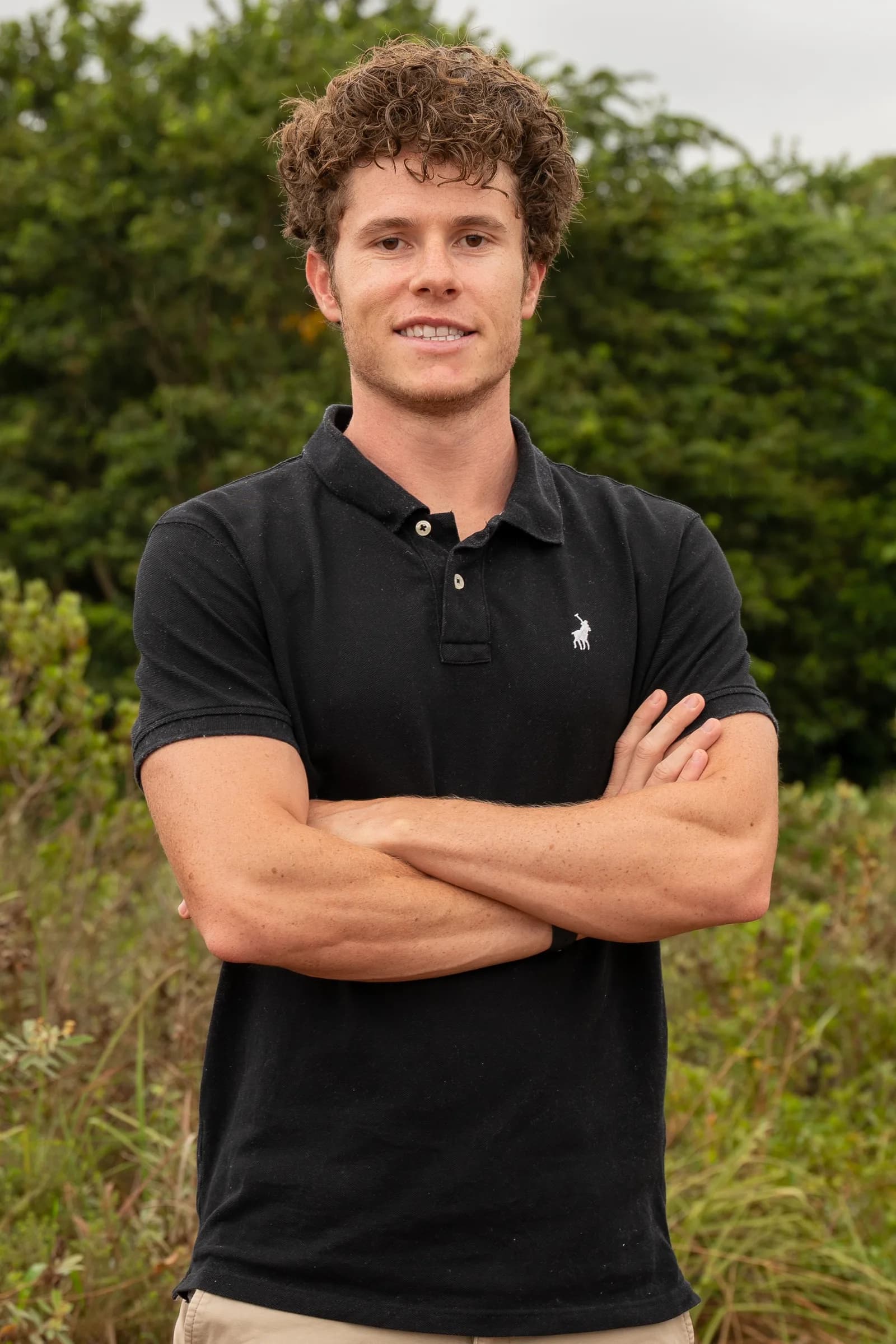 Joshua Stapleton · Director
About Isometry
Isometry helps companies decide where AI will matter, build the system and put it into daily operations.
Director Joshua Stapleton remains responsible for the direction and quality of each engagement. Trusted software engineers, designers, data specialists and industry contractors join around the work.
Joshua on LinkedInThe journey
A 4.0 GPA at Azusa Pacific across Applied Mathematics, Computer Science and Humanities, plus a semester at Oxford studying how computation and learning work.
Defence ML at DIEM; multimodal health research at Healios; freelance engineering; model evaluation with AI Explained; and an end-to-end machine-learning course for DataCamp. Joshua also co-facilitates TWIMS' executive AI masterclass for South African manufacturers—turning a fast-moving subject into practical decisions for leadership teams.
An MSc in Machine Learning & Data Science with distinction. The thesis used neural search to discover faster exact matrix-multiplication algorithms.
Isometry brings strategy, engineering and ongoing support into one relationship. The work now spans manufacturing, regulated research, large data migrations, energy and financial advice.
Selected work and recognition
Named client work, learner feedback and independent recognition. Select a mark to inspect the evidence.
Six records · sources attachedOne system helps the team triage thousands of requests, search approved literature and draft sourced responses. A second mapped 24,000 legacy regulatory documents into a structured RIM model in three weeks.
“Overall satisfaction is high and it is facilitating their efforts significantly, particularly with the literature searching element.”
EMEA Medical Information Manager · Aspen
Contact